
An Overview Of Our Services
BS5837: Planning Reports
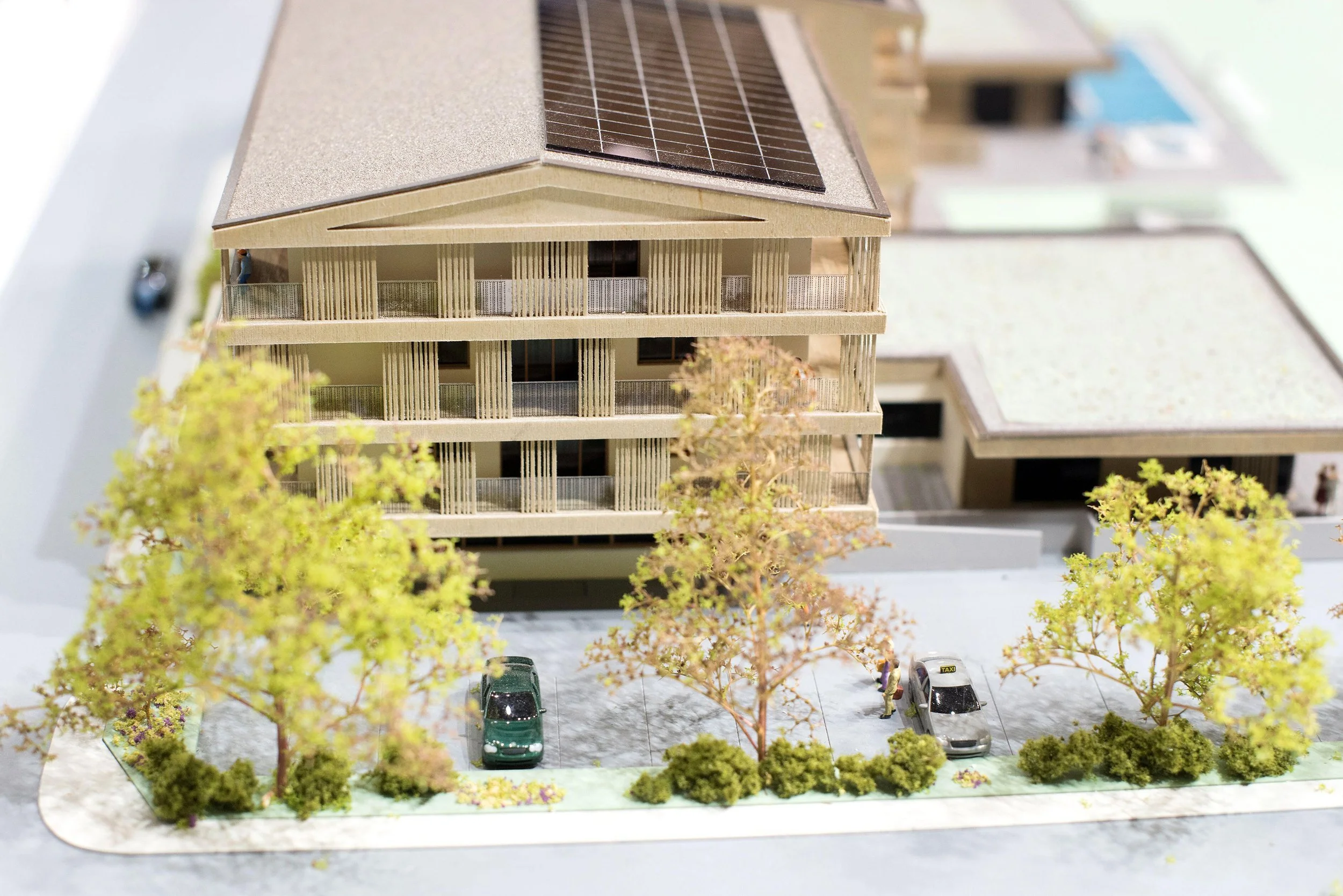
Clear, BS5837 reports to aid your planning applications. This is generally a three-step process, but it can be tailored to your needs and stage of planning.
Stage 1: Starts with a Tree Constraints Report and associated plans to help your design team work around arboricultural constraints and outline any restrictions that may be applicable to the site.
Stage 2: Involves an Arboricultural Impact Assessment. This stage takes the plans drawn up in the design stages and assesses the Impacts the development may have on the existing trees, and offers mitigation options. This stage is what the planning directorate will assess as part of your application. Where we add value is to help you realise your development while working around the jargon and requests of the planning department.
Stage 3: Is post approval work, such as arboricultural method statements and arboricultural clerk of works site monitoring. This stage is not always needed and depends on the conditions that are applied to planning permission.
Tree Risk Management
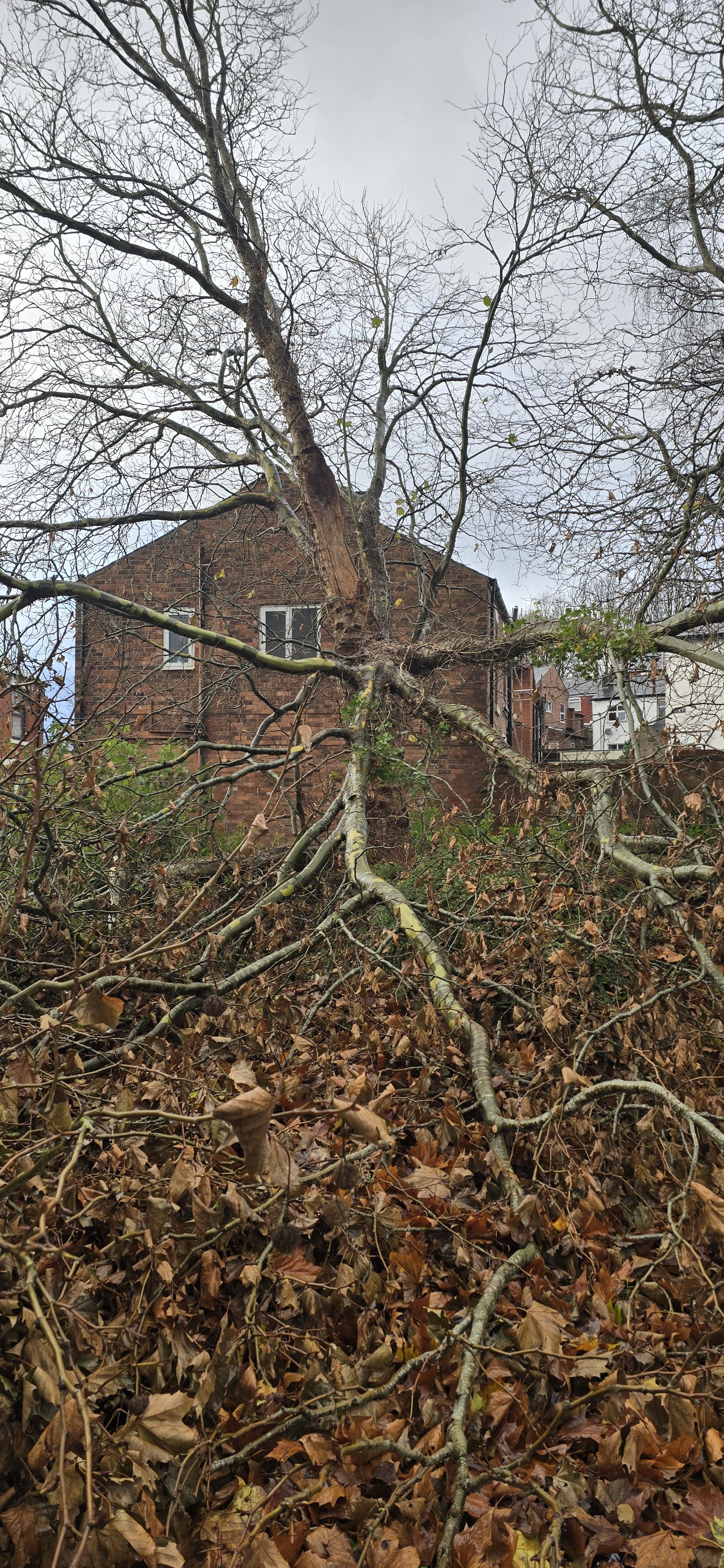
Under the Occupiers' Liability Act 1984, landowners have a duty of care to ensure their tree stock is safe and does not pose an unacceptable level of risk to persons or buildings.
Insurers often request tree safety reports to be carried out regularly to maintain cover; even if they don’t request them, a regular tree inspection cycle can help if trees do fail.
Our consultants are all QTRA trained and registered,
QTRA, or Quantified Tree Risk Assessment, is an industry-recognised method for assessing tree risk and has been tested and supported in multiple legal cases. You can rest assured that with our expertise and the methods we use, you will be covered in the case something goes wrong.
If you are a homeowner looking for peace of mind, or a large land owner, concerned about diseases such as ash dieback and how it may impact you, contact us, and we can tailor the work to you.
Advanced Decay Detection
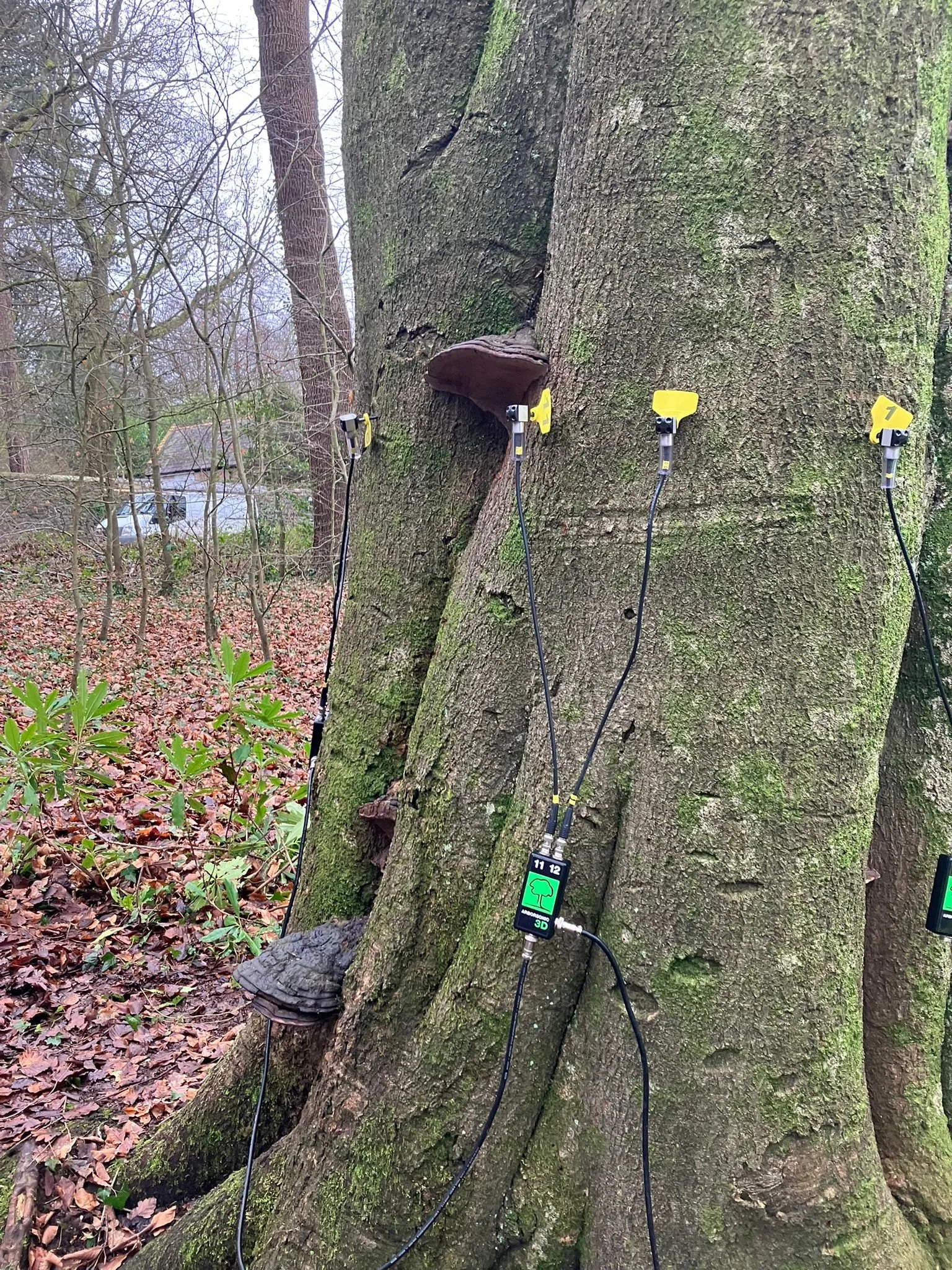
Advanced decay detection is used to take a snapshot inside a tree and paint a picture of the internal decay. This can be done through resistive drilling, or sonic tomography, where we measure wood density and use the information to support works to protect trees in conservation areas or a tree subject to a tree protection order.
Since this is a specialised service, the main use of this technology is to prove or disprove the need to remove a tree, which may be due to local tree officers refusing work or asking for further evidence that work is needed.
We have also used this equipment to extend the life of veteran and ancient trees that have gone on to provide value to estates and parks for years, in situations that would have resulted in the tree's loss. This technology, when coupled with tree risk management, can provide the data needed to quantify risk and offer peace of mind to tree owners and those who enjoy the trees.
The services listed above are our main services; however, we also provide all aspects of tree consultancy, including tree root DNA analysis, woodland management plans, pest and disease identification, and much more.
If you have a specific need, get in touch, and we can discuss how we can help.